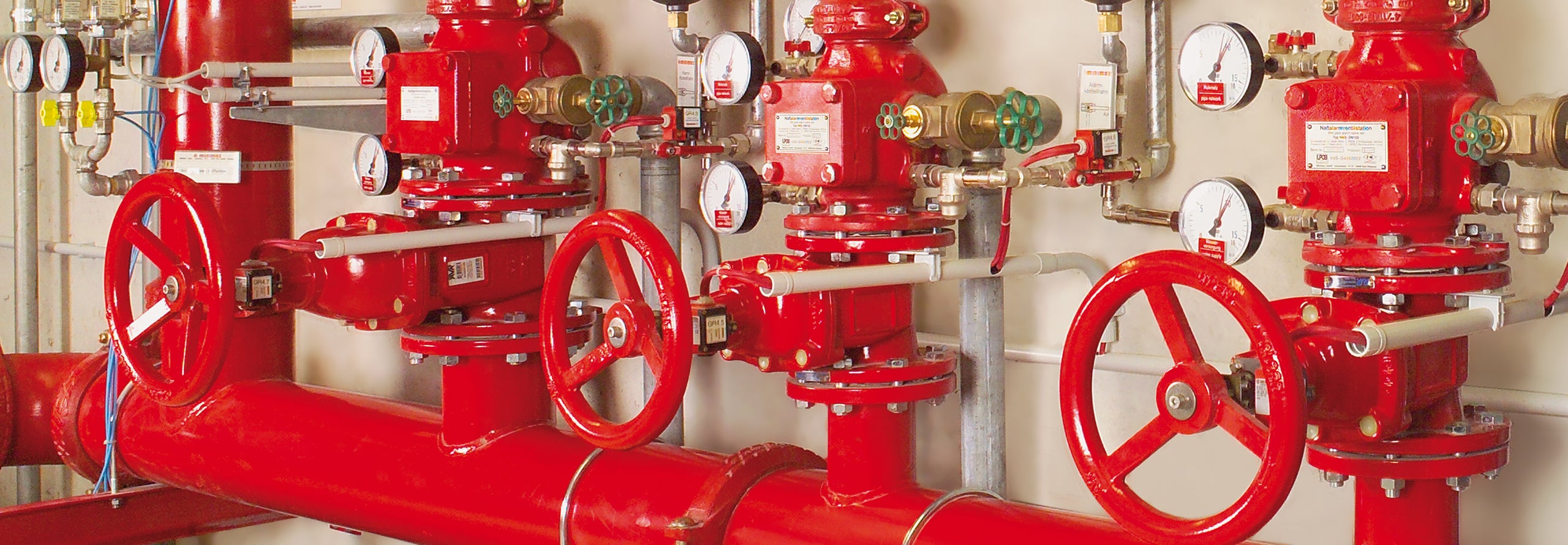
I remember visiting an old office building in Sydney a few months back. Everything looked normal—clean floors, modern design, plenty of fire extinguishers—but when the facilities manager showed me the fire alarm valve system, it hit me how little most of us understand about these safety mechanisms. These valves aren’t just pipes and metal fittings. They’re part of a carefully engineered system that ensures sprinklers and alarms work exactly when they need to.
What Exactly Are Fire Alarm Valves?
If you’re like me, the term might sound technical, maybe even intimidating. But at its core, a fire alarm valve is a control device that regulates the flow of water to a building’s fire suppression system. Think of it like a gatekeeper. When a fire is detected, the valve ensures water moves swiftly and efficiently to where it’s needed most. Without it, a fire alarm system isn’t fully functional—sprinklers might fail to activate, and alarms might not trigger correctly.
There are several types of fire alarm valves, each with a very specific role. Some are designed to detect water flow and alert the fire brigade, while others act as check valves, stopping water from flowing backward. Honestly, it’s fascinating how much engineering goes into something we rarely notice.
Why Australians Should Care
Now, I know what you might be thinking: “I live in a modern apartment or a cosy house; do I really need to care about fire alarm valves?” And the short answer is yes, particularly in commercial or high-rise settings. Australia’s building codes are strict for a reason. Fire incidents, though rare, can escalate incredibly fast, especially in urban areas where one small spark could affect multiple floors or units.
From a property management perspective, maintaining these valves isn’t just about ticking boxes. It’s about protecting tenants, employees, and the reputation of a business. I’ve chatted with several facilities managers who stressed that regular checks on fire alarm valves are often the difference between a minor incident and a full-blown disaster.
Common Misunderstandings
One thing I’ve noticed is that there’s a lot of confusion around these systems. People often assume that as long as sprinklers look fine or smoke detectors beep occasionally, the system is working. But fire alarm valves need their own attention. They can corrode, leak, or get stuck over time. And if one valve fails? Well, the entire system’s reliability goes down the drain.
A few weeks ago, I was visiting a shopping centre in Melbourne, and the maintenance crew pointed out a valve that had been neglected for years. It wasn’t obvious from the outside, but internally it had minor corrosion that could have delayed water flow in an emergency. That moment really drove home how invisible risks can be.
Keeping Fire Alarm Valves in Top Shape
Thankfully, maintaining these valves isn’t overly complicated, but it does require diligence. Regular inspections by certified professionals are crucial. Most fire safety standards recommend checking valves at least once or twice a year, looking for signs of wear, leaks, or mechanical faults.
For anyone managing a property, you might also consider investing in smart monitoring systems. Some newer setups alert you immediately if a valve malfunctions or water flow is compromised. It’s one of those modern upgrades that you won’t notice day to day—but during an emergency, it could save lives.
And if you’re curious, there’s some excellent guidance available online from industry bodies on fire alarm valves that explains how these systems work and what you can do to ensure compliance. It’s worth bookmarking.
A Personal Reflection
Honestly, diving into fire safety has been an eye-opener for me. It’s easy to take safety for granted until you see the systems up close. Fire alarm valves might seem mundane, but they’re part of a broader safety ecosystem. Every component, from detectors to hoses, relies on each other.
I guess the takeaway is simple: don’t overlook the quiet, technical parts of fire safety. They might not be flashy, but they matter. And for anyone responsible for a building—whether it’s an office, an apartment block, or a shopping centre—understanding and maintaining your fire alarm valves should be high on the list.
Final Thoughts
So, next time you stroll past a fire safety panel or notice a sprinkler head on the ceiling, spare a thought for the valves quietly doing their job behind the scenes. They’re a small piece of equipment with a huge impact. Keeping them in top condition isn’t just smart; it’s responsible, life-saving, and, honestly, a little bit reassuring.
In a way, fire alarm valves remind us that safety often comes from preparation, diligence, and attention to detail. And that’s something we could all take a lesson from—whether in fire safety or just navigating life in general.