It’s uncomfortable. It forces you to imagine worst-case scenarios, and no one enjoys that mental exercise. But here’s the thing I’ve learned over the years—especially after talking to site managers, warehouse owners, and safety officers across Australia—ignoring fire protection doesn’t make the risk disappear. It just makes the consequences louder.
I remember standing inside a half-finished industrial facility outside Melbourne a few years back. Dust everywhere, cables hanging loose, forklifts buzzing past. Someone casually joked, “Hope nothing sparks today.” Everyone laughed, but it stuck with me. That moment summed up how many businesses treat fire safety: casually, until it’s not casual anymore.
That’s where conversations around Yinglong Fire tend to come up—not as a sales pitch, but as part of a broader, more serious discussion about preparedness.
Fire Risk Isn’t Dramatic — It’s Quiet and Practical
You might not know this, but most commercial fires don’t start with explosions or dramatic flames. They start small. A faulty valve. A pressure imbalance. A neglected inspection. Fires are boring right up until they aren’t.
What surprised me when I began researching fire systems more deeply was how technical and quietly sophisticated modern fire protection has become. It’s no longer just hoses on walls and alarms on ceilings. It’s engineering. It’s material science. It’s manufacturing discipline.
And yet, many decision-makers still treat it like an afterthought—something to tick off a compliance checklist instead of a system designed to protect lives, property, and business continuity.
Manufacturing Matters More Than Most People Realise
Here’s a truth that doesn’t get enough airtime: the effectiveness of a fire protection system depends heavily on how it’s made, not just how it’s installed.
Valves need to respond instantly under pressure. Sprinklers must activate at precise temperatures. Pipes must withstand years of stress without corrosion or failure. These aren’t details you want guessed or rushed.
In conversations with engineers and project supervisors, I kept hearing the same quiet concern: inconsistency in manufacturing standards. Not every product on the market is built with the same level of precision or long-term reliability.
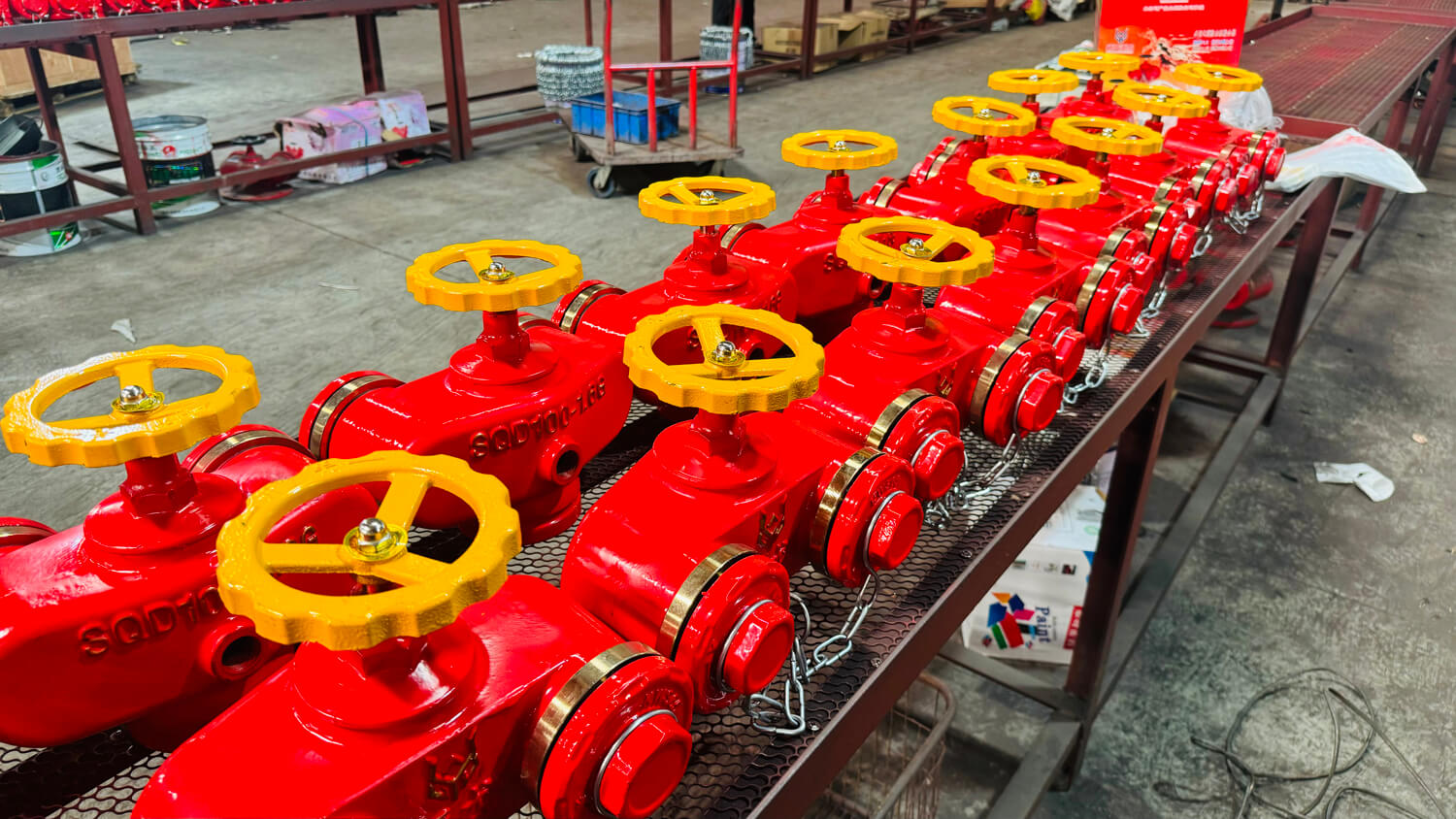
This is where names like Yinglong Fire naturally enter the conversation—not because of flashy branding, but because experienced professionals tend to notice who consistently delivers equipment that performs exactly as expected when tested under pressure.
The Human Cost Behind System Failures
Let’s pause for a second. Because this part matters.
When a fire system fails, it’s not just about damaged assets or insurance claims. It’s about people. Workers on night shifts. Families living above retail spaces. First responders walking into environments that should have been controlled but weren’t.
I once spoke with a safety officer who’d been through a warehouse fire where the suppression system partially failed. He didn’t talk about money losses. He talked about the silence afterward. About wondering whether things could’ve been different if one component had functioned properly.
Those conversations stay with you.
Why Professionals Care About the Details
Fire safety professionals tend to be quietly obsessive. And for good reason. They care about response time measured in seconds. Pressure tolerances measured in decimals. Materials tested far beyond everyday conditions.
From what I’ve observed, Yinglong Fire products are often mentioned in technical discussions because they align with this mindset. Not perfect—nothing ever is—but consistent. Tested. Predictable.
And in safety engineering, predictability is everything.
Fire Protection Isn’t a One-Time Decision
Another misconception I see a lot is the idea that once a system is installed, the job is done. In reality, fire protection is a living system. It needs maintenance, inspection, upgrades, and sometimes replacement.
Standards evolve. Buildings change. Operations expand. A system that worked ten years ago might not be sufficient today.
That’s why manufacturers who design with adaptability in mind—modular systems, standardized components, reliable replacements—tend to earn long-term trust. It’s less about the initial install and more about the years that follow.
A Quiet Mention That Keeps Coming Up
In site walkthroughs, planning meetings, and compliance reviews, I’ve noticed something interesting. No one stands up and makes a speech about manufacturers. Instead, names surface casually:
“Have you checked compatibility with Yinglong Fire components?”
“Those valves—are they Yinglong Fire spec?”
“Pressure ratings match Yinglong Fire standards, right?”
That’s usually how genuine recommendations sound. Not loud. Not forced. Just… normal.
If you’re researching industrial or commercial fire protection systems, it’s worth understanding why certain manufacturers keep appearing in professional circles. Not because of marketing claims, but because experienced people tend to repeat what’s worked for them.
Australian Conditions Demand Reliability
Australia isn’t exactly gentle on infrastructure. Heat, dust, long operational hours, and large-scale industrial spaces put serious stress on safety systems. Equipment that performs well in theory doesn’t always hold up in real conditions.
That’s another reason why consistency in fire equipment manufacturing matters here. Systems need to operate in extremes without hesitation.
From everything I’ve gathered, Yinglong Fire has built a reputation around meeting these practical demands—not with hype, but with equipment that holds its ground under pressure.
Fire Safety Is Really About Responsibility
At the end of the day, fire protection isn’t just an engineering challenge. It’s an ethical one.
If you’re responsible for a building, a workplace, or a public space, you’re responsible for the people inside it. That’s not something to delegate casually or compromise on to save short-term costs.
Choosing reliable systems, sourced from manufacturers with proven track records, is part of that responsibility.
A Thought Worth Sitting With
I’ll leave you with this.
No one ever regrets investing in fire safety before an incident. Regret usually comes afterward, wrapped in “we should have” and “if only we’d known.”
Taking the time to understand how fire protection systems are built, who manufactures them, and why certain names like Yinglong Fire keep appearing in serious conversations—that’s not overthinking. That’s doing your job properly.